A Designer's First Impression of Sea Life Patterns Graphics for Crafts
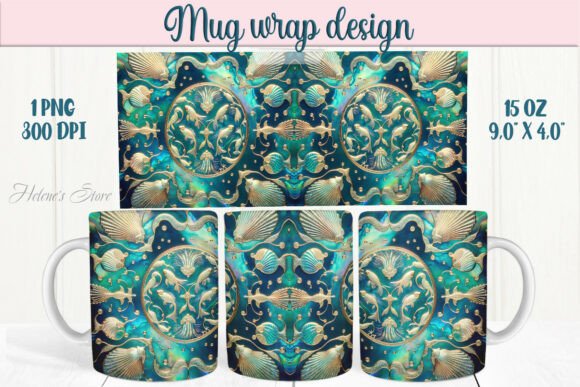
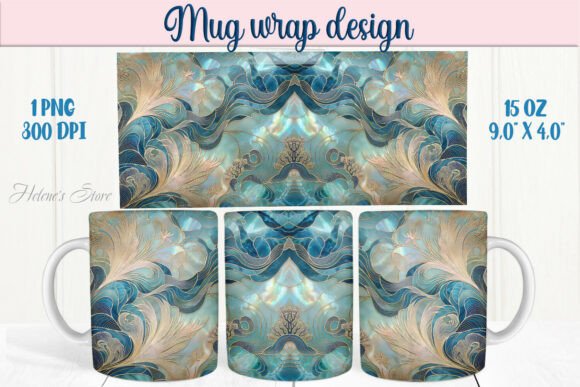
Opening the files for the Sea Life Patterns Mug Wrap, I immediately get a sense of calm, coastal elegance. This isn't a loud, cartoonish nautical theme. The patterns feel refined, more like a curated collection of marine botanicals. The visual elements suggest a gentle, organic style—perfect for a client seeking a touch of sophisticated whimsy. It naturally fits projects for boutique product lines, handmade brands in the wellness or lifestyle space, or any small business wanting to evoke a serene, natural mood.
The Mood and Style: Where This Asset Finds Its Home
This graphic design asset creates an atmosphere of relaxed sophistication. It leans towards modern, artisanal design rather than corporate or overtly commercial. The patterns have a hand-drawn quality that feels authentic, which is invaluable for building visual trust with an audience that values craftsmanship. I envision it working beautifully for a local coffee shop launching a seasonal beach-inspired blend, an Etsy shop selling handmade ceramics, or a yoga studio's summer campaign materials.
Strengths in Real-World Design Applications
For real client projects, this asset shines in several key areas. In brand identity, these patterns could become lovely supporting elements for a logo design, providing texture for business cards or website graphics without overpowering the core mark. For packaging design, especially for a small batch skincare or tea brand, they would add exquisite decorative accents to labels and boxes.
In marketing visuals, think expansive layouts. This sublimation design performs excellently as a hero graphic for website banners, large format posters, or editorial design for a blog about coastal living. The repeatable nature makes it ideal for creating cohesive campaign visuals across social media graphics, Pinterest pins, and Instagram posts. As a digital product for printable design, it would translate beautifully into wall art, custom stationery, or elegant invitations for a seaside event.
- Product Mockups & Merchandise: Beyond the mug wrap intent, the patterns are versatile for t-shirt design, tote bags, and sticker design, especially for print-on-demand sellers.
- Themed Collections: It can anchor a whole suite of assets for a digital seller or content creator building a Canva template bundle around a "Ocean Calm" theme.
- Decorative Accents: Used sparingly, it adds polish to blog visuals, digital ads, or the packaging details of a handmade business.
Caution Areas: Where to Apply with Care
Like any rich pattern, this asset requires thoughtful application to maintain clear visual hierarchy. In small sizes—think tiny social media icons or footer graphics—the intricate details may become muddled and lose their charm. Avoid using it in crowded layouts where it must compete with other complex backgrounds or dense text.
It’s not a natural fit for low-contrast designs or minimalist branding that relies on stark simplicity. Similarly, for very professional corporate materials, like a financial report or a tech startup's pitch deck, this aesthetic would likely feel misplaced. The key is to let it support, not dominate.
Impact on Readability and Brand Perception
When integrating this into commercial design, always test its effect on readability. Placing text over these patterns demands careful contrast checks. Preview it on both light and dark background variations. A bold sans serif font might hold up well, while a delicate script font could struggle without a solid text panel behind it. This directly affects the professionalism and clarity of the final piece.
For audience engagement and emotional appeal, however, it’s strong. It feels current and engaging, particularly for demographics interested in nature, mindfulness, or artisanal goods. Used consistently across a project, it can enhance brand recognition through its distinctive, cohesive mood.
Practical Designer Notes Before Client Use
Before committing this asset to a real client project, run through a final checklist. First, confirm the commercial license explicitly allows for client and business use—this is non-negotiable for professional work.
- Test Scalability: Preview the files at both very large and very small sizes to see how the detail holds. If SVG or vector files are included, inspect their editability for potential color adjustments to match a client's palette.
- Check Practical Output: For sublimation or physical printable designs, always test print quality on a sample. Place the pattern on real mug mockups (or other product mockups) to assess the final visual impact.
- Evaluate Flexibility: Test the pattern in black and white to understand its value in monochrome applications. If PNG files with transparency are included, verify the clean edges on various backgrounds.
- Font Pairing Test: Compare the pattern alongside different font styles you plan to use: a clean sans serif for headers, a readable serif for body text, and a display font for accents. Does the combination feel harmonious?
The Final Judgment: A Polished Asset for The Right Project
The Sea Life Patterns Mug Wrap 15oz is more than a simple mug template. It’s a collection of illustrations that offers a specific, polished mood. For a designer working on a project that requires a touch of organic, coastal elegance—from a small business branding overhaul to a seasonal marketing campaign—this can be a valuable time-saving asset. It elevates the design direction from generic to curated, helping the final result feel cohesive and thoughtfully designed. It won’t fit every brief, but when the creative direction aligns, it provides a ready-made foundation of quality visuals that supports rather than substitutes for strong core design principles.