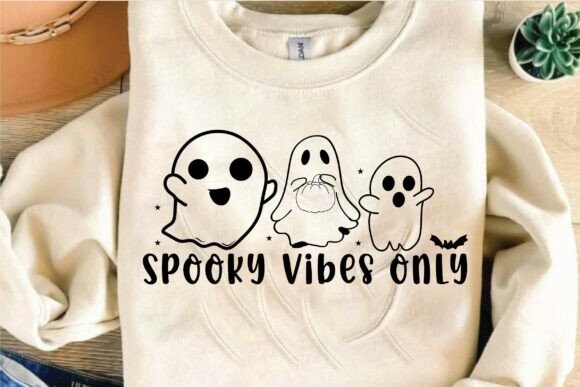
Spooky Vibes Only SVG Design for Crafts & Graphics
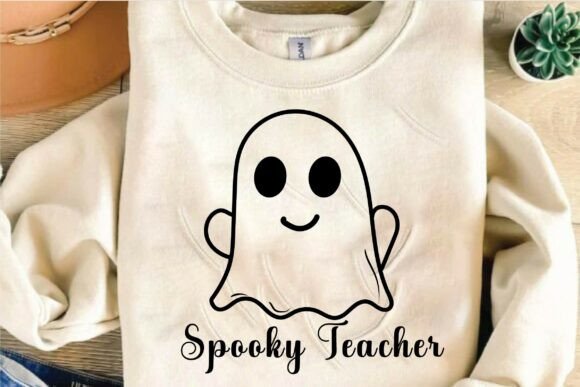
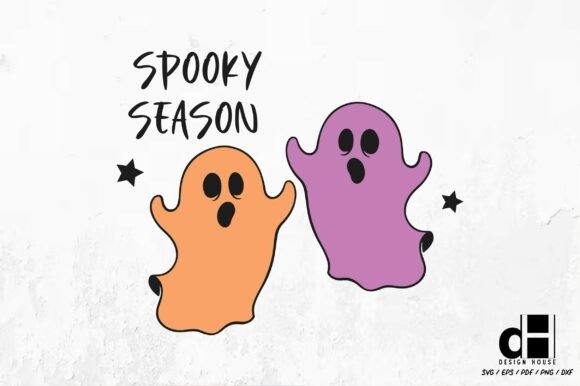
As a digital publisher who constantly juggles editorial calendars, affiliate content, and social media visuals, the first impression of a graphic design asset is critical. Opening the Spooky Vibes Only SVG Design package, I immediately note the mood it establishes. This is not a generic clipart piece; it carries a distinct, playful, and slightly artistic seasonal vibe. It feels decorative yet clean, perfect for lifestyle and creative niches that lean into thematic, event-driven content. For bloggers focusing on Halloween crafts, seasonal home decor, or family-friendly autumn activities, this asset instantly telegraphs the editorial tone—it’s fun, engaging, and visually cohesive.
Setting the Editorial Mood Before a Word is Read
Visual communication sets reader expectation. Placing this design as a hero image on a blog post about DIY Halloween decorations tells visitors they’re entering a creative, hands-on space. The style supports content that needs to look polished and clickable without feeling corporate or sterile. In a world where reader trust is built on consistent, professional-looking content pages, a well-chosen graphic like this acts as a silent credential. It signals care in presentation, which directly impacts perceived value, whether you’re sharing a free printable or promoting an affiliate-linked craft kit.
From Blog Graphics to Pinterest Pins: A Real Publishing Workflow
Imagine my standard workflow: a content brief for an October roundup post. I need a featured image, several internal article graphics, a Pinterest pin, a newsletter banner, and a thumbnail for a downloadable guide. Here, the Spooky Vibes Only SVG design becomes a multipurpose tool. The included file formats—AI, SVG, PDF, JPG, PNG, and EPS—are neatly organized, which is a publisher’s dream. The high-resolution PNG file at 4500×5400-300 dpi is my go-to for that crisp, print-ready lead magnet cover or eBook cover. The SVG file is perfect for scaling into a bold website header or a large, attention-grabbing digital ad without quality loss.
For the blog itself, I can use the design as the primary featured image, establishing clear visual hierarchy. Its elements can be extracted to create smaller editorial accents within the post body, breaking up text and maintaining the thematic thread. For affiliate marketers, this consistency across the article, the pinnable graphic, and a sidebar promotional visual strengthens category recognition and click-through potential for linked products.
Where This Graphic Design Asset Performs Best
This creative design shines in specific, high-impact publishing roles:
- Hero Images & Article Thumbnails: Its bold, thematic style makes it ideal for above-the-fold engagement on blog posts and category pages.
- Pinterest Graphics & Social Media Previews: The scalable vector formats allow me to create tall, vertical pins or square Instagram posts that remain sharp and legible.
- Content Upgrades & Downloadable Resources: Using the print-ready files, I can design beautiful worksheet covers, digital guide title pages, or printable craft templates that feel like a premium offering.
- Newsletter Headers & Email Marketing: A slice of the design can create a seasonal banner that immediately sets the tone for an email blast about Halloween content.
- Canva Templates & Media Kits: Importing the SVG or PNG into Canva allows me to quickly templatize graphics for my team or for a small business branding package, ensuring visual identity consistency across platforms.
A Note on Visual Hierarchy and Brand Identity
A key benefit for website owners and digital marketers is how such an asset can reinforce branding. By employing the same core graphic across a blog series, a social media campaign, and a downloadable product, you build a stronger visual identity. Readers begin to associate that style with your content niche. This repetition, when done tastefully, improves reader trust and professional perception. It turns a single graphic design asset into a cornerstone for a seasonal content marketing push.
Practical Publisher Notes for Implementation
Before deploying any design asset into real content, I run a series of practical checks. With the Spooky Vibes Only SVG design, here’s my process:
- I test it on desktop and mobile screens to ensure it renders well at all sizes, especially as a small mobile thumbnail.
- I preview it inside a live blog layout with dummy headline text to check for contrast and readability. Does it compete with the title or complement it?
- I experiment by placing it beside different font styles—a serious serif, a clean sans-serif, a playful script—to see which pairing best supports my editorial voice.
- For web performance, I review the file sizes of the exported JPG or PNG I intend to use and compress them properly to avoid slowing page load times.
- Crucially, I confirm the commercial licensing terms before using it on monetized websites, affiliate pages, or paid digital products. This is non-negotiable for professional use.
Contexts Requiring Careful Use
While versatile, this design should be applied thoughtfully. Its decorative, seasonal nature means it’s less suitable for text-heavy blog images where the graphic might overwhelm the copy. On low-contrast backgrounds, some elements may fade. It naturally fits playful, creative, or educational niches but would feel out of place in a serious professional or corporate blog context that demands a very minimal visual system. In busy layouts, it should be used as a focal point, not an added pattern.
Elevating Content from Functional to Polished
Ultimately, integrating a well-crafted graphic like the Spooky Vibes Only SVG design transforms content from merely functional to professionally polished. For creative entrepreneurs and online educators, this polish directly impacts conversion. A beautifully designed lead magnet cover feels more valuable. A cohesive set of social media graphics for an affiliate campaign builds stronger recognition. A series of newsletter visuals with consistent artistic touches increases open rates.
This asset provides the raw materials for that transformation. By offering multiple, organized formats, it empowers publishers to work efficiently across mediums—from web design to printable design. It supports the entire content ecosystem: the blog, the social channels, the email list, and the digital products. In the competitive space of digital publishing, where first impressions are fleeting, such tools are invaluable for anyone committed to clear visual communication and editorial quality.