The Heartfelt Humor of an Embroidery Design
A First Glimpse of Relatable Design
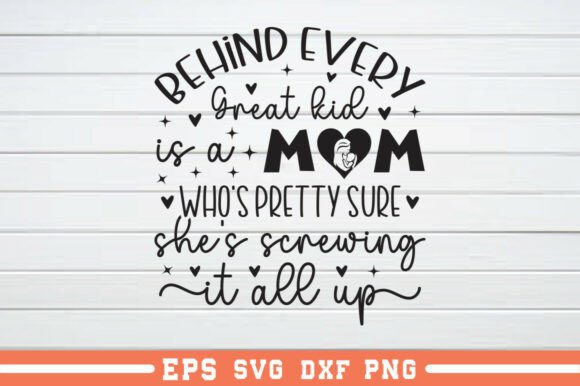
When you first open the Behind Every Great Kid is a Mom Who SVG embroidery file, you’re greeted by something more than just text. It’s a sentiment, wrapped in a simple, clean layout. The design’s personality is instantly warm and self-aware. This isn’t a flashy graphic; it’s a conversational piece. The wording, with its gently humorous admission, creates an immediate emotional connection. As an embroidery designer, I see this as a design meant to be felt, not just seen. It naturally belongs on items that tell a personal story—a cozy sweatshirt, a cherished kitchen towel, or a personalized baby blanket. The visual mood is friendly and authentic, which is exactly what you want for projects that speak directly to someone’s heart.
The Perfect Projects for This Stitched Statement
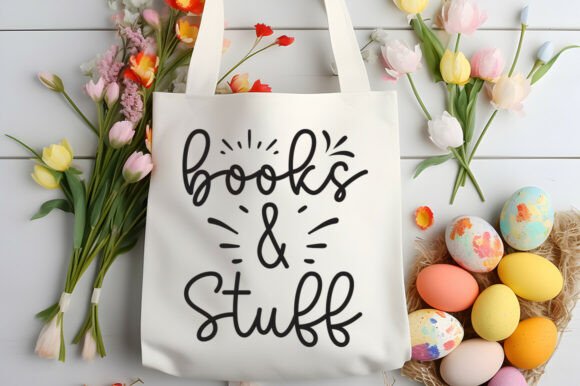
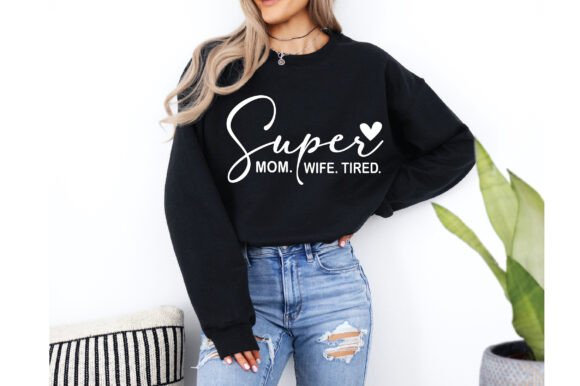
In real-life embroidery project situations, this design shines on everyday items that moms use, give, or wear. Imagine it stitched onto a soft cotton tote bag for a friend—it becomes a daily reminder of solidarity. On a well-made apron, it transforms a functional item into a personal keepsake. For a craft business or Etsy seller, this design is a prime candidate for a simple, elegant embroidered patch that can be applied to anything. I’ve considered it for a client’s custom baby onesie gift set, paired with a matching burp cloth; the message feels perfect for a new parent. As a personalized gift, it carries weight on a pillow cover or a tea towel in a nursery. For small shop merchandise, it’s an excellent choice for a minimalist sweatshirt embroidery or a classic cap design. The theme is universally relatable, which drives buyer engagement in craft fair products and boutique listings.
Where This Design Finds Its Home
- Custom apparel: Sweatshirts, t-shirts, and hoodies where the fabric is stable.
- Home goods: Pillow covers, kitchen towels, and simple blanket corners.
- Personalized gifts: Baby items, holiday gifts like Mother’s Day aprons, and wedding gifts for new moms.
- Small business merchandise: Tote bags, simple patches, and unisex caps for a boutique.
Navigating the Practicalities of Stitching It
While the emotional appeal is strong, the practical execution determines the final product value. The design’s clarity is key. When translating this SVG into an embroidery file, you must pay attention to the lettering. The phrase is relatively long, so stitch density and hoop size become crucial considerations. On a small hoop, the text could become cramped, losing its readable charm. I always advise testing this on scrap fabric first, especially on the actual fabric texture you plan to use—like the ribbed texture of a cap or the loose weave of a tea towel.
Scenarios That Require Extra Care
- Small hoop sizes: The detail in the lettering needs space to breathe.
- Textured or stretchy fabric: A good stabilizer is non-negotiable here to prevent distortion.
- Dark fabric backgrounds: Thread color contrast is vital; a white or light satin stitch might be needed for clarity.
- Curved surfaces like caps: The layout may need slight adjustment to follow the curve gracefully.
- Products needing frequent washing: Opt for robust stitch types like a solid fill stitch for the main lettering to ensure longevity.
These considerations directly affect stitching clarity and customer trust. A poorly executed, puckered design on a dark sweatshirt can ruin the heartfelt message. Conversely, a clean, well-placed embroidery on a light-colored tote bag elevates the handmade presentation and feels professional.
Turning a Graphic Into a Meaningful Product
For creative entrepreneurs, the impact of this design goes beyond the stitch. It enhances brand consistency if your shop focuses on relatable, humor-infused family themes. Its giftability is exceptionally high—it’s a design people buy to give, not just to own. In commercial embroidery projects, such as a small batch of embroidered tote bags for a local market, it’s a design that sells because it connects. The recognition factor is instant; it taps into a shared experience, making it a powerful design asset for your portfolio.
From a designer’s point of view, preparing this for a client’s embroidered patch order involves thinking about the end-user. How will it look after stitching? Will the slight self-deprecation in the text resonate and bring a smile? On a baby item, it feels supportive. On an apron, it feels like a badge of honest effort. This design isn’t just decorative; it’s communicative.
Essential Designer Notes Before You Hoop
- Always test the design on scrap fabric identical to your final product fabric.
- Review the stitch density in your software to ensure it’s suitable for your chosen fabric weight.
- Check small details: Are there any tiny corners in the lettering that might need a simplified running stitch instead of a dense satin stitch?
- Create black and white mockups, and compare how it looks on both light and dark fabric backgrounds in your printable mockup.
- Use proper stabilizer for the project; this is not a step to skip.
- Since the product description notes it’s an SVG cutting file, confirm how it converts to an machine embroidery design file for your specific equipment.
- Always verify the licensing terms for this digital embroidery file before using it in commercial embroidery projects or selling finished items.
The Final Stitch: A Design That Connects
Evaluating the Behind Every Great Kid is a Mom Who SVG from a maker’s perspective, its greatest strength is its emotional authenticity. It doesn’t just sit on a product; it interacts with the person who sees it. In a world of flashy graphics, this humble, truthful statement stands out because it feels real. For embroidery designers and small business owners, that genuine connection is what turns a simple crafts project into a cherished finished product. It reminds us that the best embroidery often stitches together not just thread, but shared feelings and stories. Your job is to execute it with the practical care that lets that story shine through every stitch.