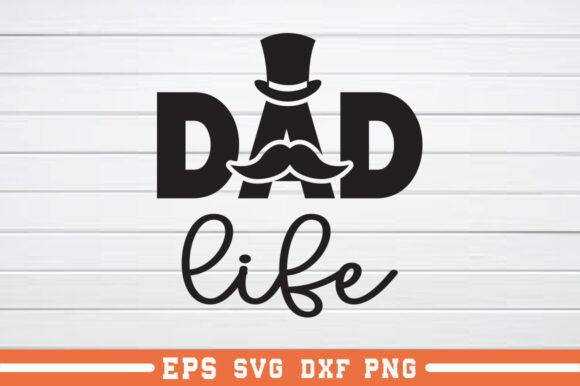
Dad Life SVG: A Designer’s Real-World Embroidery Review
When a design file like ‘Dad Life SVG’ lands in my library, I’m not just looking at the digital preview. I’m thinking about how it will translate into thread and fabric, how it will feel in my hands once it’s stitched out, and what kind of project it’s truly calling for. This isn’t about a generic product description; it’s about practical design judgment for real embroidery work.
The First Impression: Solid, Friendly, and Unmistakably Dad
Right away, this design carries a confident, friendly mood. The theme is clear and universal, which is a huge advantage for projects aimed at gift-giving or everyday wear. The layout and shape suggest a solid, recognizable statement piece rather than a delicate, intricate illustration. It feels like it belongs on something meant to be used, loved, and washed—a sweatshirt, a tote bag, a well-loved cap. The visual personality is straightforward and warm, making it a natural fit for personalized gifts and casual, handmade products.
Where This Embroidery File Naturally Belongs
In my practice, I see this design shining in several key areas. For custom apparel, it’s perfect for a cozy fleece jacket or a classic cotton t-shirt, creating a gift that feels personal without being overly sentimental. As an embroidered patch, it could be applied to a backpack or a denim jacket with real character. For small business merchandise, like a simple canvas tote or an apron in a boutique kitchen shop, it adds a touch of relatable, human-scale branding. I recently used a similar concept for a set of baby embroidery items—a soft blanket and a matching bib for a newborn—and the ‘dad’ theme resonated beautifully, making it a heartfelt wedding gift or holiday gift for new parents.
Thinking Through a Real Project: The Embroidered Tote Bag
Let’s walk through a scenario. A client requests a custom tote bag as a Father’s Day present. I pull up ‘Dad Life SVG’. My first consideration is scale. On a bag, this design needs to be sizable enough to be a focal point, but not so large that it overwhelms the fabric or requires an unusually large hoop. I’d likely test it at a medium hoop size on scrap canvas first, checking the stitch density. Since tote bags endure wear, I’d want clean, solid fill stitches in the main elements, not overly dense to avoid stiffening the fabric, but secure enough for longevity. The straightforward lettering and shapes should translate well into crisp satin stitch borders or clean running stitch outlines, giving it that handmade presentation clients trust.
Performance in the Stitching Reality
How does a design like this perform when the machine starts running? For most machine embroidery designs of this style, clarity is paramount. On a sweatshirt embroidery project, the texture of the fleece can soften edges, so I’d ensure the design has enough definition in its outlines to remain sharp. On baby clothes or thin cotton tees, I’d be mindful of stitch density again—too heavy, and it could pucker the lightweight fabric. Using the right stabilizer is non-negotiable here.
For a embroidered patch application, the design’s simplicity is a strength. It would allow for clean finishing on the edges, making it look professional and durable. When considering caps or other curved surfaces, the design’s likely balanced layout should adapt well, provided the hoop size is appropriate for the curved area. I always advise testing on a scrap piece of the actual fabric texture you plan to use—a denim cap fabric behaves differently than a smooth polo twill.
Careful Considerations: Where to Use With Caution
Every design has its ideal applications and its less-suited ones. For ‘Dad Life SVG’, I’d be cautious on very small hoop sizes. If the lettering or details are particularly fine in the SVG, reducing it too much for a tiny project like a keychain or a small corner of a kitchen towel could make those elements muddy or lose their stitching clarity. On dark fabric, the design’s appeal depends heavily on thread color contrast. A bold, light thread color would be essential to maintain its visual punch.
Also, on stretchy fabric or items that need frequent washing—like activewear or everyday hoodies—the integrity of the stitches is key. I’d review the design’s small details and corners in a test run to ensure they aren’t so tight that they might stress the fabric over time. For products with layered garments or textured fabrics like sweaters, a test stitch-out tells you everything about how the design will settle into the surface.
The Impact on Your Product and Your Customer
Using a well-executed design like this affects more than just the stitch count. It boosts product value by feeling intentional and well-made. For an Etsy seller or creative entrepreneur, it contributes to brand consistency if your shop focuses on relatable, family-oriented themes. Its giftability is high—it’s instantly recognizable and emotionally resonant. That drives buyer engagement in your Etsy listings or at a craft fair. For commercial embroidery projects, say for a small brand making apparel for a local market, it offers a ready-made, professional design asset that can be integrated quickly into a product line.
Practical Notes From the Worktable
Before I commit any design to a final embroidery project, my process includes a few non-negotiable steps. For ‘Dad Life SVG’, and any similar digital embroidery file, I would:
- Test the design on scrap fabric first. This reveals everything about puckering, density, and how the details translate.
- Check thread color contrast by stitching it out on both light and dark background scraps. Sometimes a design needs a different palette than the digital preview suggests.
- Review the design in black and white mockups to judge its form independently of color, which helps for printable mockups and digital product previews.
- Confirm the hoop size needed for my intended final product and ensure my machine can handle it smoothly.
- Inspect small details like corners and tiny lettering in the test run to see if they need any manual adjustment in my software.
- Most crucially, confirm licensing before selling finished items. Since the product description mentions it’s a cutting file for craft machines, I would verify the specific terms for using the design in personal and commercial projects. This is essential for digital product sellers and anyone creating small shop product for sale.
The description notes compatibility with various machines, but as an embroidery specialist, I’d ensure the file converts cleanly to my embroidery software format and that the vectors translate well into stitch paths. I don’t invent details like exact stitch count or file formats if they aren’t provided—I advise checking the source for those specifics.
Final Judgment: A Reliable, Versatile Design Asset
‘Dad Life SVG’ strikes me as a reliable, versatile embroidery design. Its strength lies in its clear theme and adaptable structure. It’s not an overly complex piece that requires expert handling, making it accessible for hobbyists and profitable for small business owners. It fits naturally into the world of crafts and graphics meant for real-life use. When stitched onto a finished product, it delivers a message that’s both personal and universal, which is exactly what makes a handmade item or a personalized gift truly special. For anyone in the community of makers, from the home crafter to the professional apparel decorator, this design offers a solid foundation for a project that will look good, feel authentic, and connect with people.