Sun Svg Bundle: A Designer’s Real-World Embroidery Evaluation
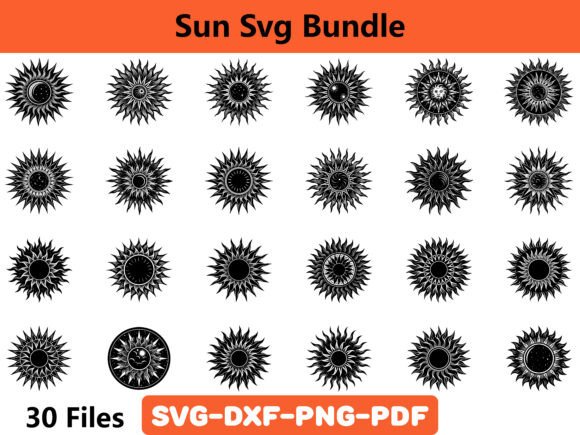
As a designer who regularly translates digital files into stitched products, my first question about any new bundle is always: how will it look on fabric? When considering the Sun Svg Bundle for a real embroidery project, the immediate impression is one of warmth and classic charm. The sun motif, by nature, carries a cheerful, optimistic mood. This isn’t an overly trendy or niche graphic; it’s a timeless, friendly shape that feels adaptable. The visual personality leans towards clean, often geometric lines, suggesting it would translate well into defined satin stitch borders or crisp fill stitch areas, rather than delicate, sketch-like running stitches.
The Natural Home for This Design: Where It Truly Belongs
Thinking about my upcoming work—a batch of custom tote bags for a local boutique—this bundle jumps out as a perfect fit. Sun designs inherently suggest brightness, positivity, and energy. They’d be excellent for personalized gifts like baby items, where a sunny theme on a bib or blanket feels sweet without being gender-specific. For small shop merchandise, imagine this embroidered onto a crisp apron or a kitchen towel; it conveys a handmade, sunny kitchen vibe instantly. For apparel decorators, a single sun motif centered on a sweatshirt or the corner of a t-shirt creates a statement that’s both simple and engaging. It’s the kind of design that, when stitched well, elevates a basic product into a thoughtful gift or a cohesive boutique product.
Performance on Real Products: From Hoop to Finished Item
In practical embroidery situations, the success of a design hinges on its clarity after stitching. For the Sun Svg Bundle, the key consideration will be the level of detail. On a curved surface like a cap, simpler, larger elements from the bundle will perform best, as dense stitch areas on curves can be tricky. On a pillow cover or a tea towel made from a textured fabric like linen, a sun with bold outlines would hold its visual appeal even after washing. For creating an embroidered patch, the design’s potential for layered colors could make a really striking, professional-looking badge.
When I think about customer reaction on a finished product, a well-executed sun embroidery tends to feel universally pleasant. It doesn’t require a specific taste or style to be appreciated, which boosts its giftability and broad appeal in craft fair products or Etsy listings. For brand consistency, if your craft business leans towards joyful, natural, or home-centric themes, incorporating this motif across different products—from nursery decor to holiday gifts—can create a recognizable, trustworthy aesthetic for buyers.
Caution Zones: Where to Plan Before You Stitch
No design is universally perfect, and a thoughtful review means identifying where it might need careful handling. With a sun motif, which often includes radiating lines or corner details, there are a few embroidery situations to approach with planning.
- Small Hoop Sizes: If the bundle contains intricate sun rays or tiny accompanying elements, attempting to stitch them in a very small hoop could lead to loss of detail or puckering.
- Stretchy or Thin Fabric: On lightweight t-shirts or stretchy jersey, a design with high stitch density could cause fabric distortion. Using a proper stabilizer is non-optional here.
- Dark Fabric Backgrounds: The cheerful mood of a sun is often tied to bright, warm thread colors. On dark fabrics, achieving that same vibe requires careful thread color contrast—perhaps using vivid yellows and oranges against navy or black.
- Products for Frequent Washing: For items like baby clothes or kitchen towels that will be laundered often, ensuring the stitch structure is secure and not overly delicate will prolong the handmade presentation.
The design’s versatility, as suggested in its description for prints and mugs, is a great sign for its adaptability. However, for machine embroidery specifically, the stitch density and hoop size requirements are the critical unknowns. These factors directly affect which projects it will excel in.
A Designer’s Practical Notes Before Starting the Project
Before loading any embroidery file and committing it to a client’s tote bag or a new line of sweatshirt embroidery, my routine is always the same. It’s these steps that turn a digital graphic into a successful commercial embroidery or personalized gift asset.
- Test on Scrap Fabric First: Always stitch a sample on the exact fabric type you plan to use—be it canvas for a tote, fleece for a blanket, or cotton for an apron. This reveals how the design handles the fabric texture.
- Check Thread Color Contrast: Stitch the same design on light and dark scrap pieces. Does it maintain its clarity and mood on both? This is crucial for offering products in multiple color options.
- Review Stitch Density in Your Software: Look at the file’s stitch structure. Are fill areas overly dense for lightweight apparel? Are outlines suitable for a clean satin stitch?
- Confirm the Physical Hoop Size Required: Match the design size to a practical hoop you own and for the product you’re making. A design requiring a 8x8 hoop won’t fit on a baby bib intended for a 4x4 hoop.
- Inspect Small Details: Zoom in. Are there any tiny decorative accents or fine lines that might get lost or become thread-heavy? Sometimes simplifying a portion of a design for embroidery is a smart adaptation.
- Use Black and White Mockups: Viewing the design in a simple printable mockup, stripped of color, helps judge its shape and balance alone, which is vital for professional-looking digital product previews.
- Clarify Licensing for Your Use: Since this bundle falls under Crafts and Graphics, confirm whether the license permits commercial embroidery projects—selling the embroidered tote bags or patches—or if it’s for personal use only. This is foundational for any craft business or Etsy seller.
The Sun Svg Bundle, based on its described versatility, holds clear potential as a design asset for makers. Its strength lies in its thematic warmth and likely clean composition. For embroidery designers and creative entrepreneurs, its real value will be unlocked not by the file itself, but by how thoughtfully it’s applied to a specific, real-world project. Pair it with the right fabric, the right thread palette, and the right product context, and it can absolutely become a trusted, repeatable element in your handmade product lineup.